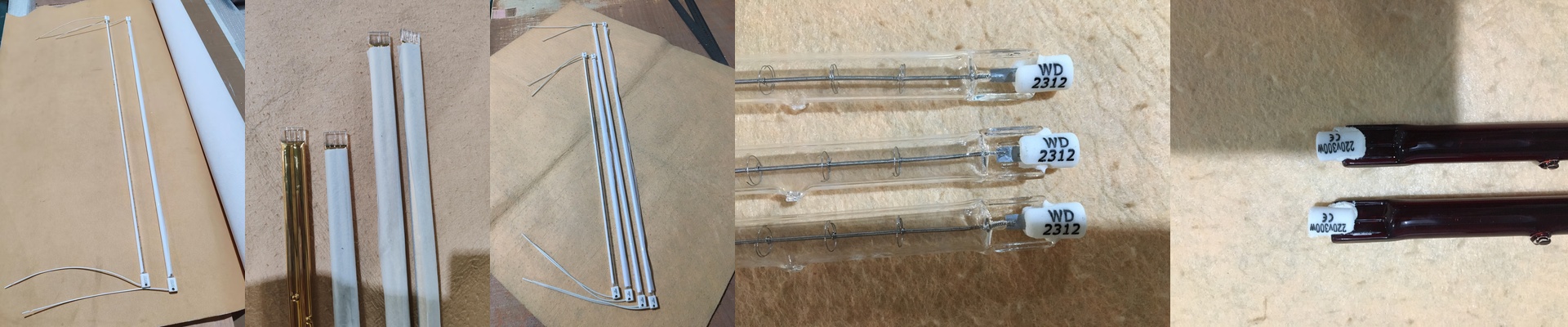
Let’s Talk About the R7s Halogen Interface
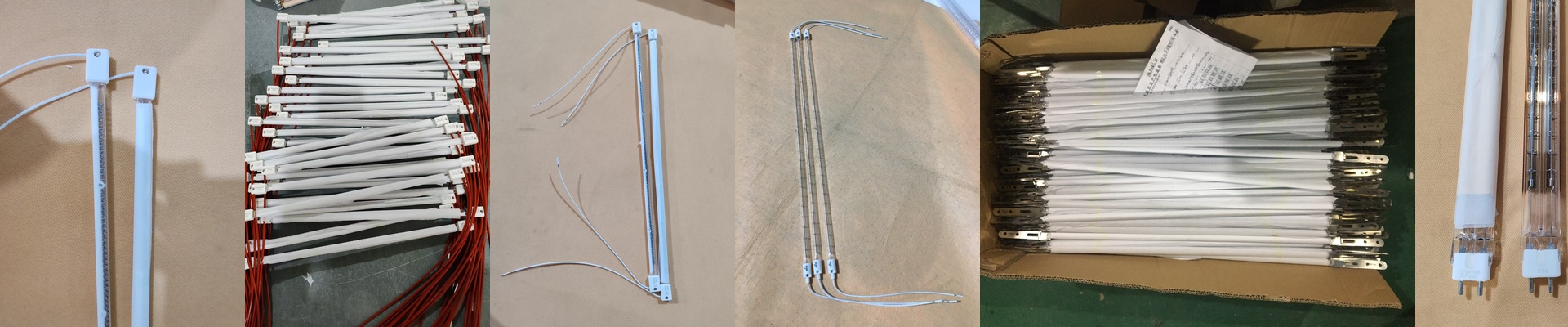
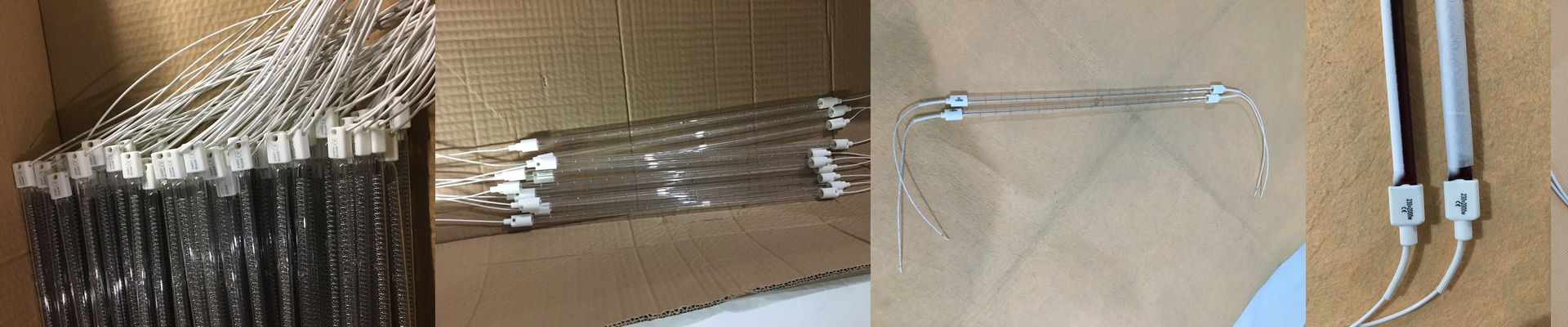
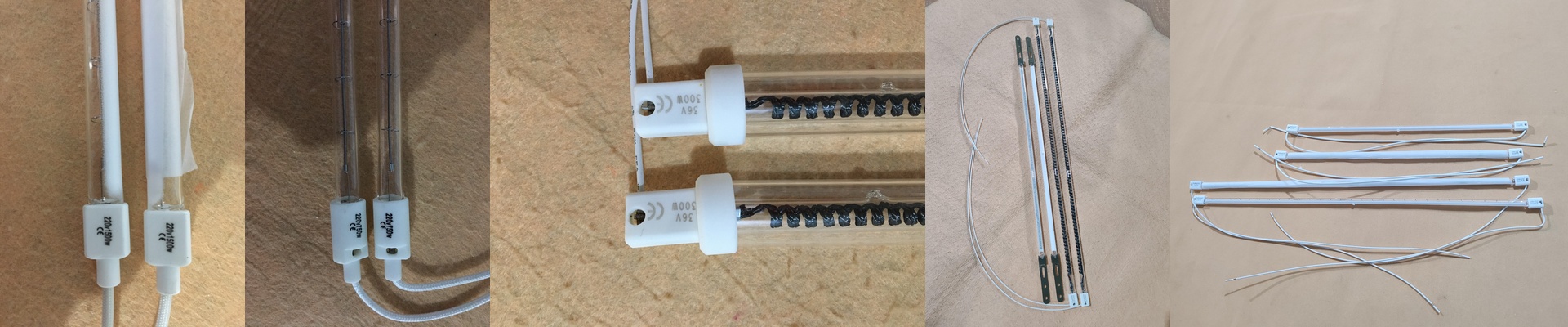
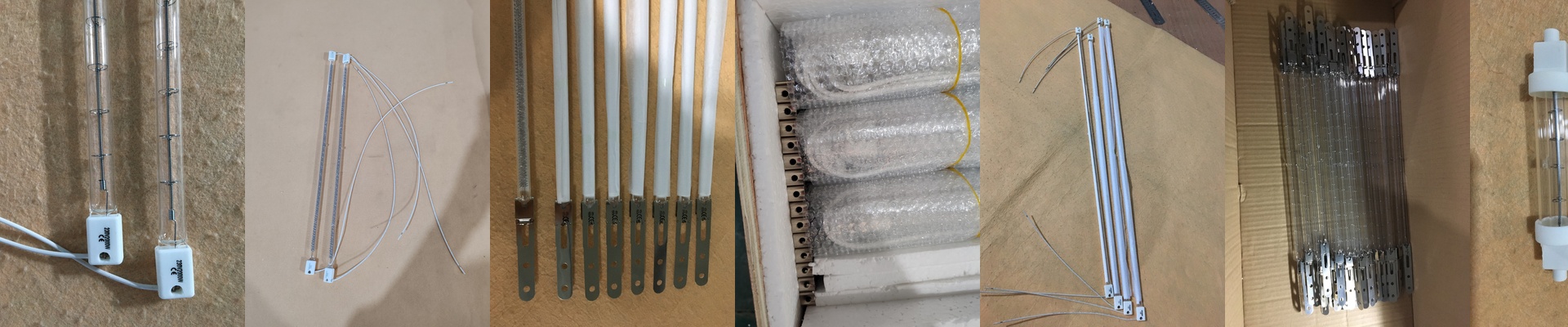
If you’re working with linear halogen tubes, you’ve probably run into the R7s lamp holder. It’s basically a compression-fit connector. We love using these because they make swapping lamps a breeze. No messing around with complex wiring or soldering every time a bulb goes out—you just pop it in and you’re good to go. Plus, it keeps those high-temp quartz lamps locked in tight.
The Heat and Power Struggle
Here’s the thing: you’ve got to be careful with your wattage and voltage. Whether you’re on a standard 230V line or some heavy-duty industrial circuit, the contact points need to stay clean and efficient. I’ve seen way too many projects fail because someone tried to save a few bucks with an undersized holder. If you try to push 2000W through a cheap, low-spec holder, the terminals will oxidize. Then they burn out. It’s a mess.
Picking the Right Materials
Since quartz lamps get incredibly hot, we don’t use flimsy stuff. We stick to heat-resistant ceramics or high-temp polymers. If the material warps or loses its grip from the radiated heat, you’re in trouble. That’s why the R7s uses a spring-loaded mechanism. It keeps the lamp seated firmly, even if your machinery is vibrating like crazy. Just a heads-up:**check your tolerances.**If the fit is too loose, you’ll get arcing. That pits the contact surface and kills your lamp way faster than it should.
The Trade-offs
The R7s is great for dropping into most linear heating arrays. It keeps your footprint small and tidy. But it’s not perfect. These holders aren’t airtight. If you’re dealing with corrosive gases or a lot of moisture, you’ll want to shield the whole assembly. And remember, while high heat density is the goal, that heat has to go somewhere. The more power you pump into the tube, the more your chassis is going to soak up.Don’t forget to spec your cooling fans accordingly.