
Why Most IR Curing Lamps Fail in the Real World
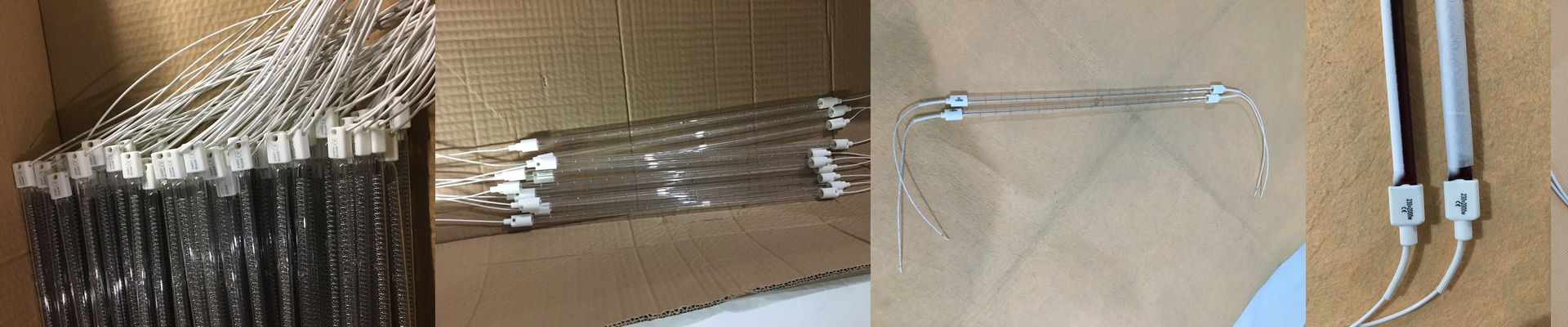
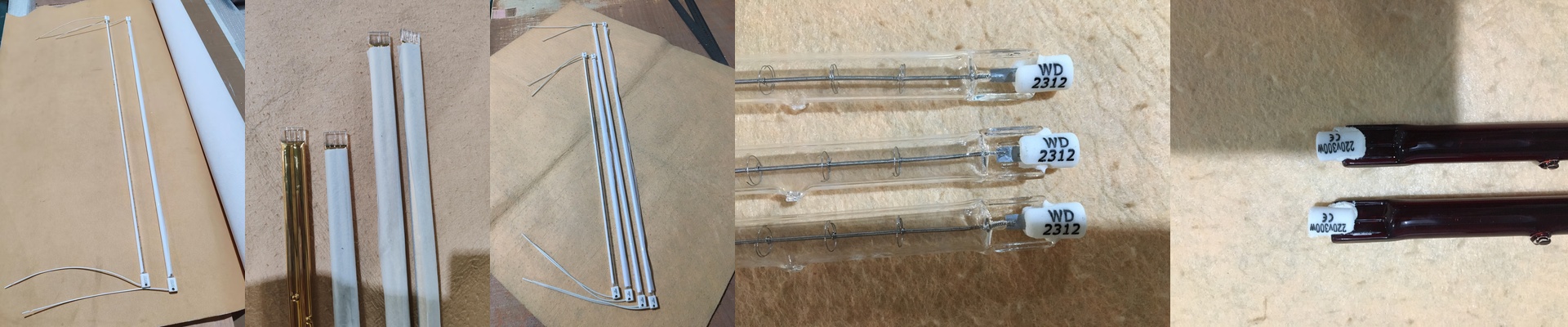
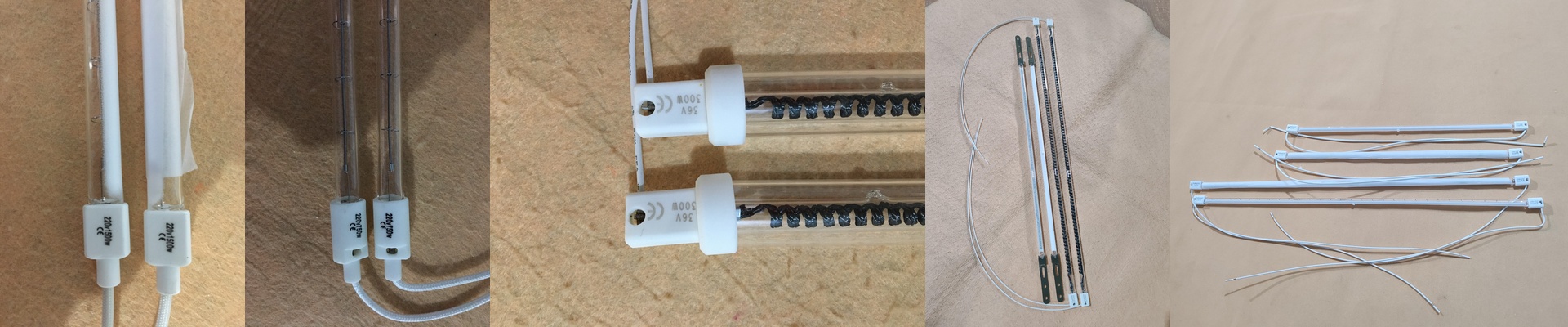
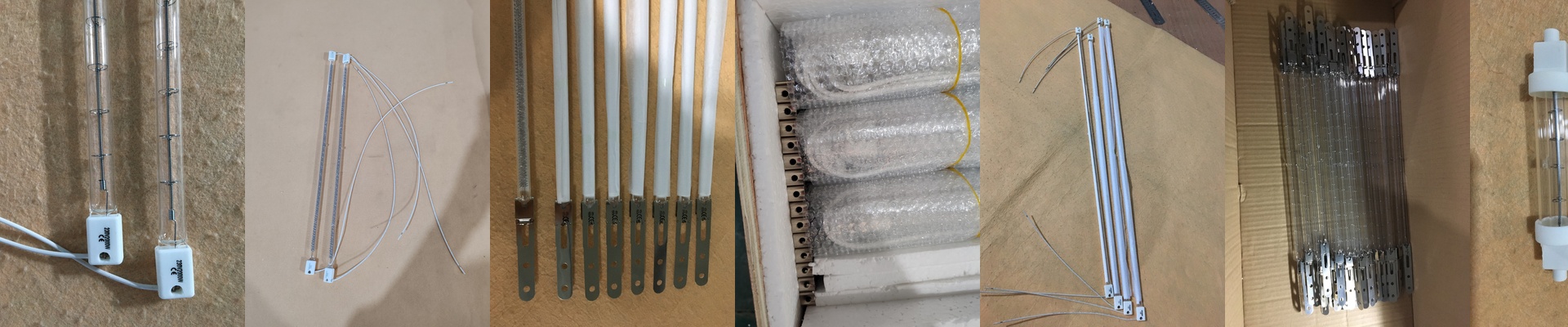
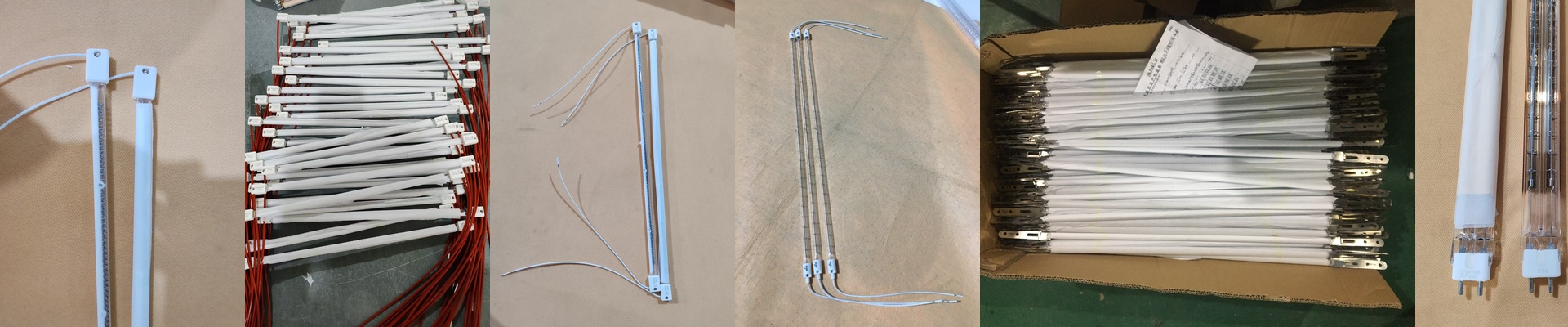
We spent some time visiting about 2,000 spray painting shops. Why? Because we wanted to see why so many curing lamps just… quit. It turns out that most “standard” lamps are designed for a clean lab, not the grit of a real factory floor. There’s a massive difference between a spec sheet and a shop floor covered in dust and chemicals. Usually, the problem comes down to two things: heat density and the environment. Let’s talk about heat. Getting the paint to cure without scorching the part is a balancing act. If you cram too many watts into a short tube, you get hot spots. If you spread them too thin, your cycle times crawl, and you’re losing money. We don’t guess. We spec our lamps based on the actual surface area of the part you’re working on. By using high-voltage setups, we can push more power through the filament without making the tube bulky. It keeps the footprint small but the heat intense. Then there’s the “gunk” factor. Quartz glass is the standard, sure. But in a spray booth, overspray and fumes settle on that glass. It creates a barrier that blocks the heat. To fight this, we use specific coatings that keep the wavelength emission steady, even when things get messy. But the real killer? The connection point. That’s where most lamps burn out. We stick with R7s and SK15 connectors because they actually stay put. A loose connection leads to arcing, and arcing kills your lamp. You want something you can just plug in and forget. When a lamp eventually dies, your team should be able to swap it out in minutes—no rewiring the whole rack, no headache. The trade-off you need to know about. High-output shortwave lamps are great because the heat is instant. But they pull a lot of power. Here’s the catch: if your voltage jumps around, the filament takes a beating. Your controllers have to be rated for that initial peak startup current, or you’re just asking for trouble. We build our lamps to be as stable as possible, but at the end of the day, a lamp is only as good as the power you feed it.