Getting the Heat Right: A Story About Aluminum Curing
A few months back, a local aluminum plant came to us with a real headache. They’d been stuck in production limbo for half a year because their curing process was acting up. The profiles were coming out messy—splotchy surfaces and hardness that varied from one end to the other. It was a nightmare. After we spent some time walking the line and looking at the gear, we realized the heaters had plenty of power. The problem was that the heat wasn’t actually going where it needed to.
The “Hot Spot” Problem
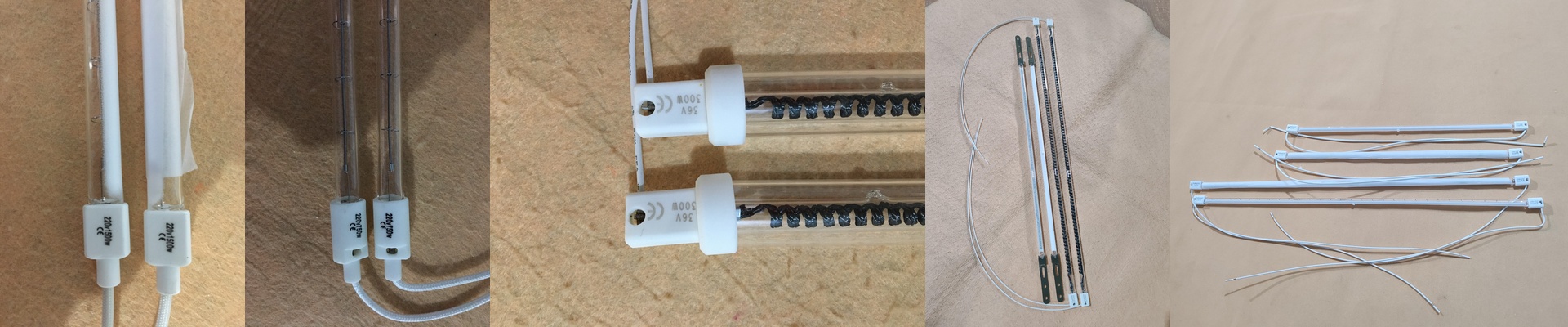
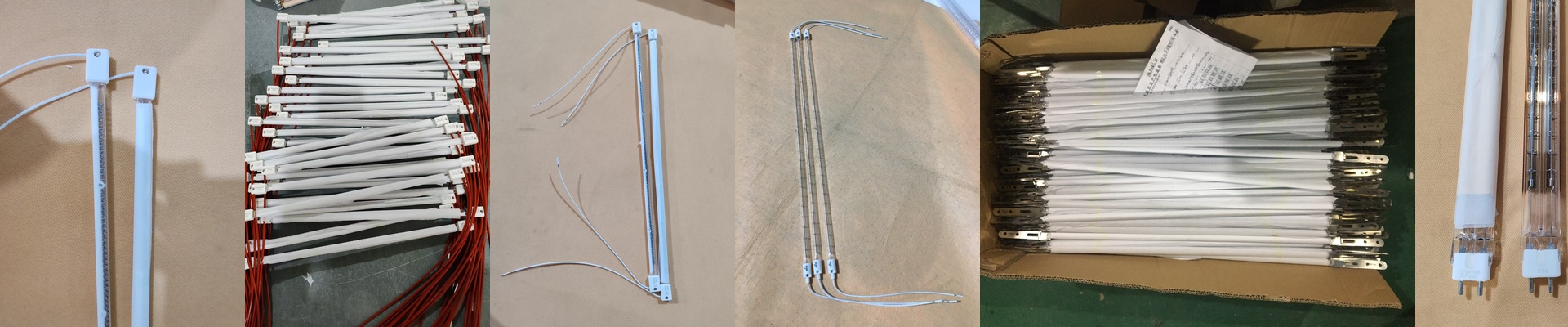
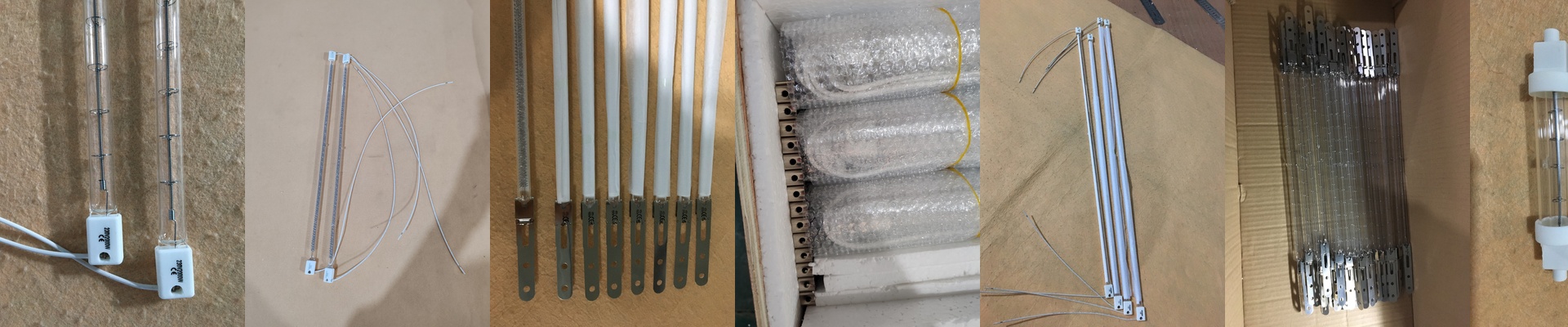
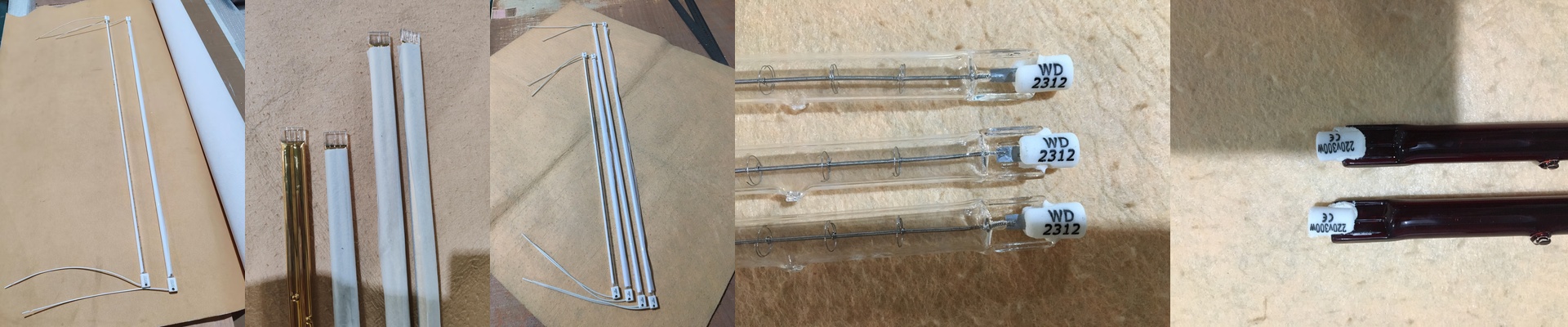
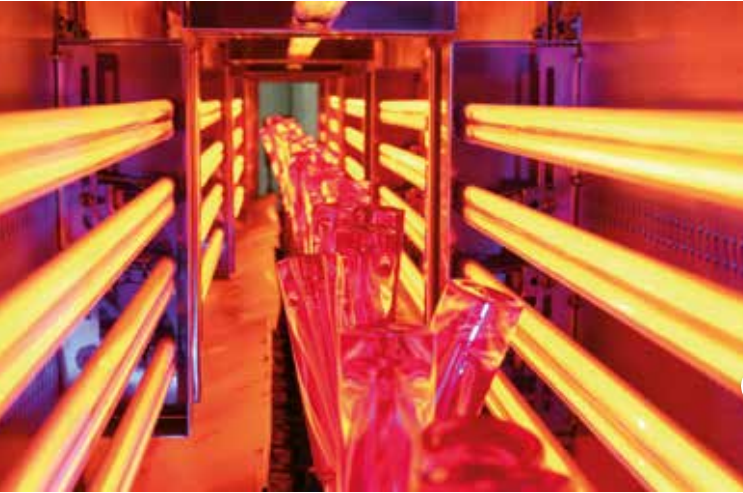
Here’s the thing about aluminum curing: if you’re off by just a few degrees across the length of the profile, the whole batch is trash. The plant was using standard heaters, which basically created a “bullseye” effect. The center was scorching, but the edges were barely warm. To fix this, we ditched the basic setup for a zoned configuration. We split the heating area into separate sections that we could control individually. That way, we could crank up the wattage on the edges to make up for the heat loss.
The Panic Button
The client also had a safety concern. They needed a way to kill the power instantly, but they didn’t want the whole system to crash or the heating elements to crack from a sudden temperature drop. We decided to go old-school. We installed a hard-wired emergency stop that completely bypasses the PLC. When someone hits that button, the power contactors trip and the current drops to zero in milliseconds. Simple. Reliable. But there’s a catch. These heaters hold onto a lot of heat even after the power is gone. To stop the aluminum from continuing to cook, we added a forced-air cooling override. The second the E-stop is hit, the fans kick in and blast the heat away from the metal.
The Trade-off
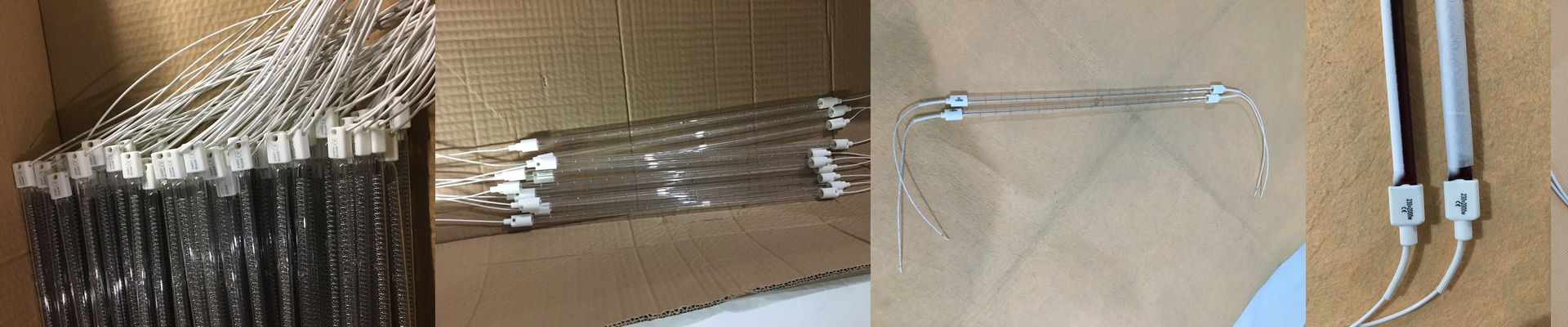
Of course, nothing is free. When we boosted the heat density to fix those cold zones, it put a lot more stress on the wiring. You can’t just shove more amps through thin cables without things getting dicey. We had to swap out the feed lines for a heavier gauge to stop the voltage from dropping. If we hadn’t, those splotches would have just come right back. It worked. The curing is smooth now, and the spotting is gone. The only downside? The control box runs a bit hotter now, so the team has to stay on top of the cooling fan maintenance. A small price to pay for a line that actually works.