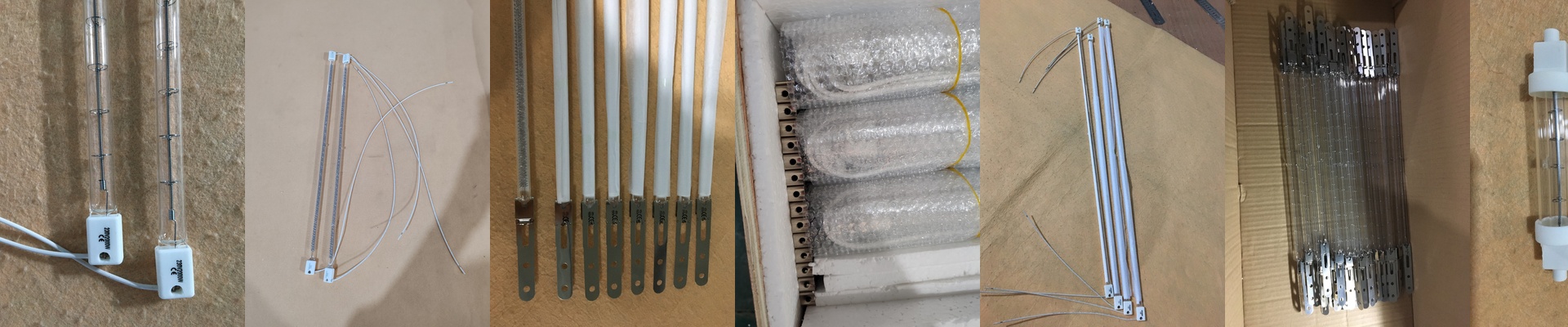
Stop Paying the “Brand Tax” on Your Heating Elements
Most engineers look at locally made gear and immediately think “cheap substitute.” I get it. We’ve all been burned by parts that look right on paper but fail the moment they hit the floor. But here’s the thing: we don’t look at this as cutting costs. We look at it as a puzzle. How do we give you the exact same technical specs as the big global names without making you pay for their fancy marketing budget and corporate headquarters?
Getting the Physics Right
If you want to match the top three manufacturers in the world, you can’t guess. You have to be obsessed with the details—the exact alloy in the heating elements, the specific grade of quartz. When a spec asks for a certain wattage per centimeter, we hit it. Exactly. No rounding up, no “close enough.” Why does that matter? Because it means you can swap our units into your system and your PID controllers will just work. No annoying recalibrations. No headaches. Just heat.
The Truth About Price and Quality
A lot of people ask how we keep the price down. It’s not by using thinner wire or lower-grade materials. That’s a rookie mistake. Instead, we trimmed the fat from the supply chain and kept our overhead low. We also stick to standardized footprints, so our parts just drop right in. Now, a fair warning: if you’re looking for the absolute cheapest option on the market, we aren’t it. The “budget” shops skip the stress tests to ship faster. We don’t. We keep a tight window on quality control to make sure your elements don’t burn out prematurely. It might take us a little longer to get the order out the door, but it means you won’t be replacing the part in three months.
Real-World Performance
When you actually wire these in, the experience is linear. You get the same ramp-up speeds and the same steady temperatures you’ve come to expect from the expensive stuff. We’ve got the data sheets to prove the heat distribution is spot on. At the end of the day, you’re saving a ton on your initial spend without risking your cycle times or the quality of your product. You’re getting the same engineering logic. You’re just not paying for the prestige.