Why Your E-Stop Needs a Brain
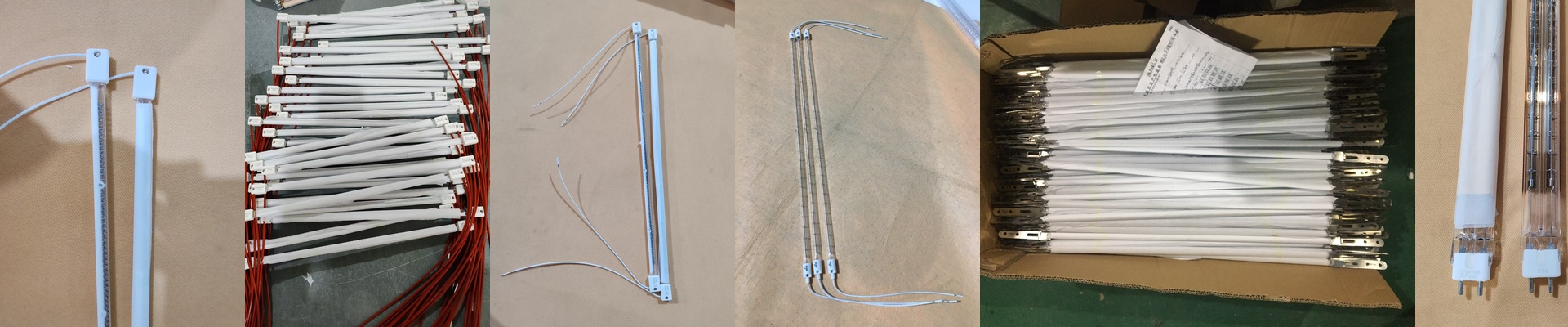
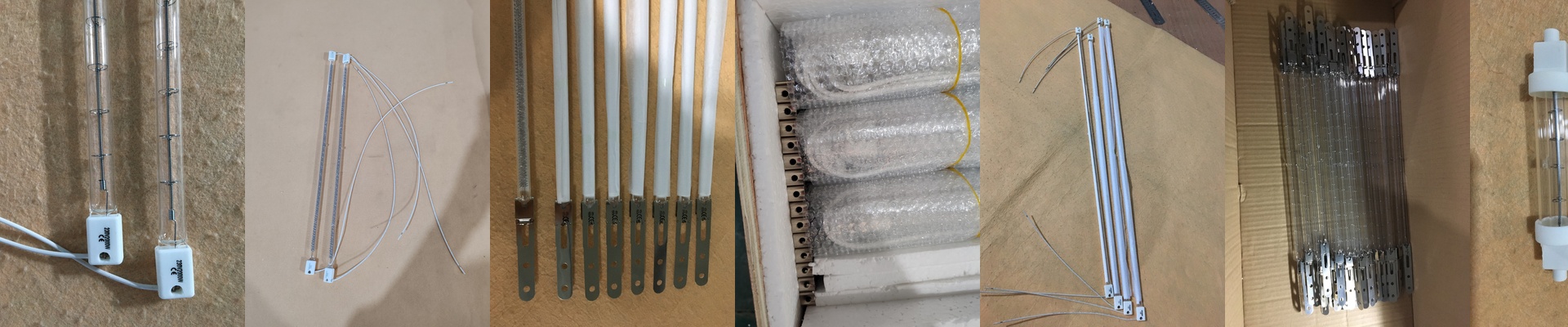
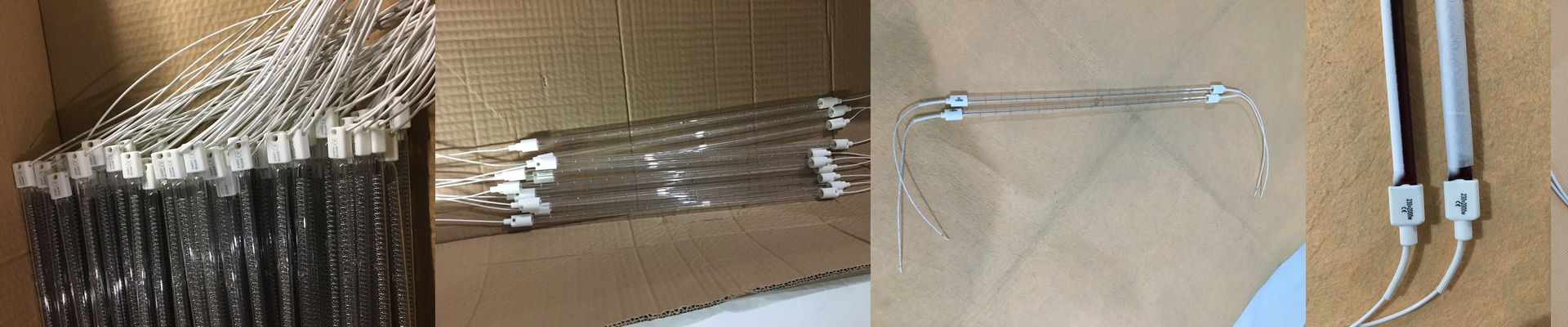
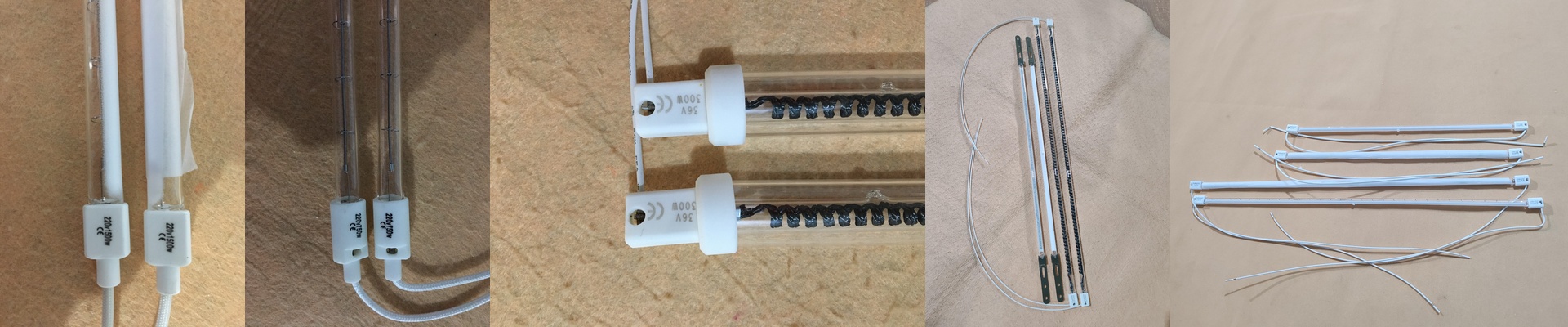
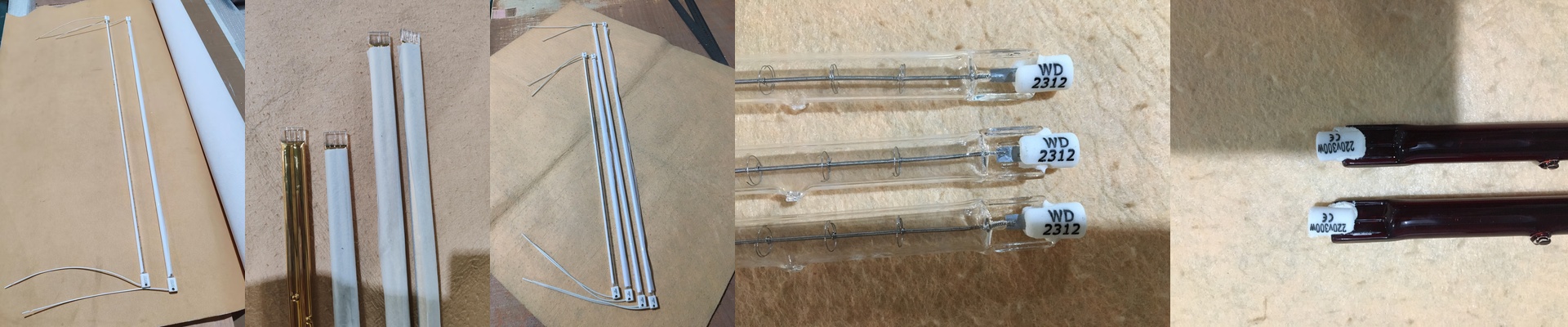
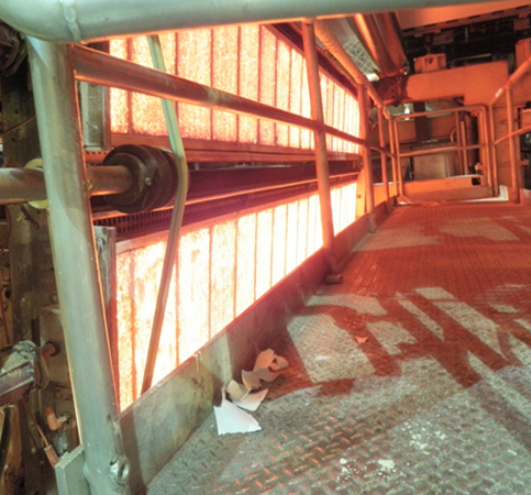
Most emergency stops are pretty blunt instruments. You hit the button, the power dies, and everything just… stops. But if you’re running a high-output spray coating line, a hard power cut is actually a nightmare. You end up with uneven curing or, even worse, a sticky mess of material baked onto your conveyors. It’s a headache nobody wants. That’s why we’re moving away from simple circuit breakers and toward systems that can actually think for themselves. Making the system “feel” the failure Here’s how it works. Instead of just waiting for a human to panic and hit a button, a smart system keeps a constant eye on the safety loop. We use current-sensing relays that can smell trouble before it happens. They’ll catch a burned-out heating element or a sticking contactor while the line is still moving. If the system spots a ground fault or a phase imbalance, it doesn’t just crash. It triggers a controlled ramp-down. It’s a much gentler process. This saves your quartz tubes from cracking and keeps your heating coils from getting fried by thermal shock. The guts of the operation To make this reliable, you can’t have a single point of failure. That’s why we use dual-channel safety circuits (specifically category 3 or 4 architectures). The E-stop button is still there for the operator, but the real heavy lifting happens in the safety PLC. It’s constantly comparing the actual temperature coming off the heater against where it’s supposed to be. If the gap gets too wide, the system flags an error and puts the line into a safe state before something actually breaks. The honest trade-offs Now, this isn’t a magic fix. There are some real-world costs. First, your control cabinet is going to be bigger. You can’t just swap a mechanical switch for a smart module and call it a day; you have to actually spec out your PLC inputs to handle these signals. And then there’s the people side of things. Your maintenance crew can’t just be “fuse checkers” anymore. They’ll need to get comfortable with digital diagnostics to really get the most out of the system. Plus, you have to be obsessive about shielding. If you don’t, the electrical noise from the heating elements will cause the system to trip for no reason, which is just a different kind of frustrating. But the payoff? Way less unplanned downtime. You catch the glitch on Tuesday so you aren’t dealing with a catastrophic failure on Friday.