Stop Heating the Air: Why IR Curing is the Only Way to Survive Tight Margins
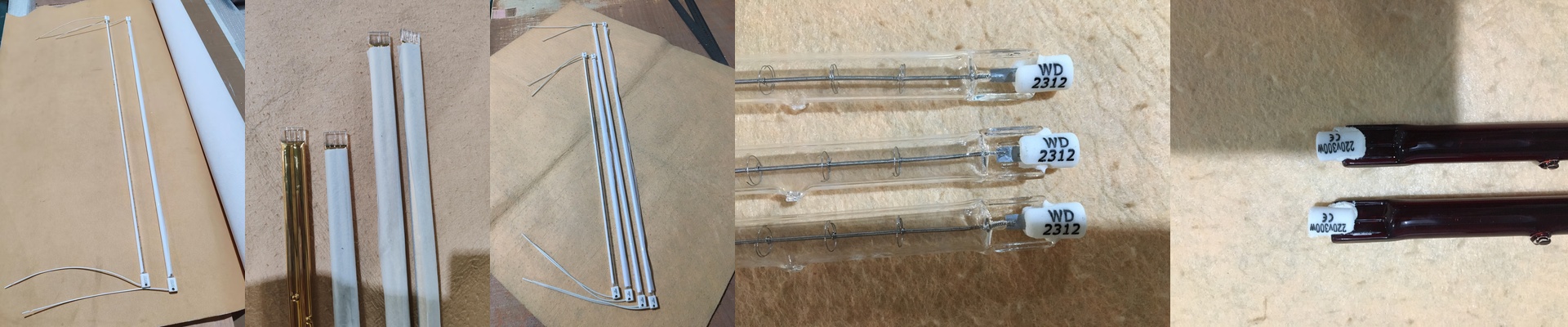
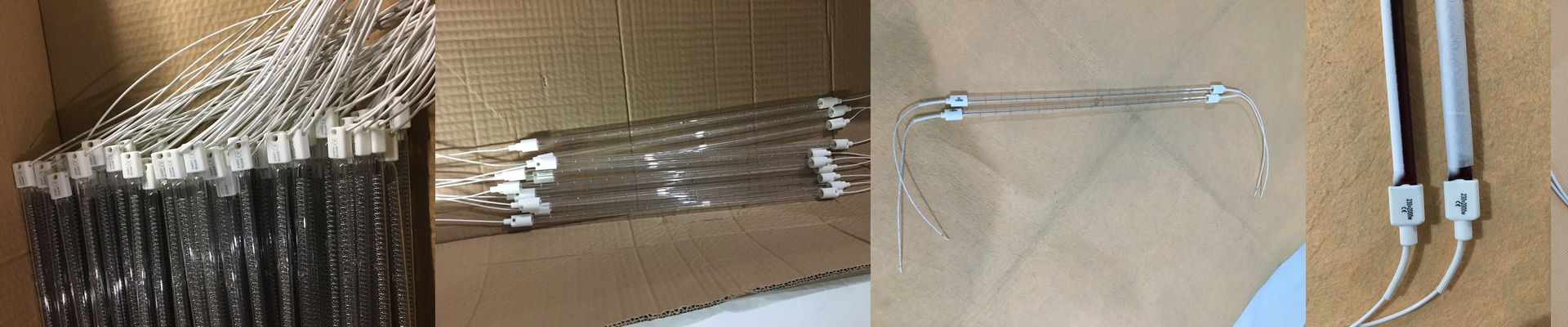
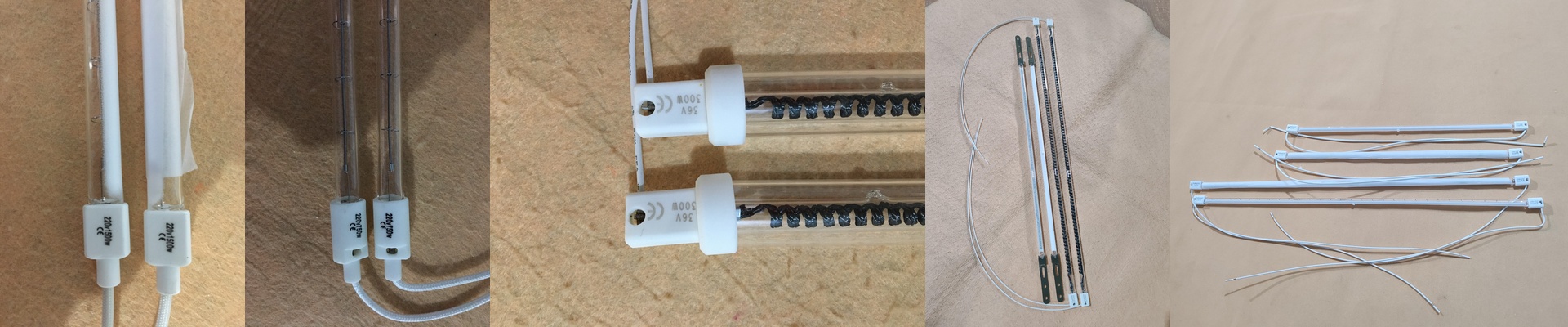
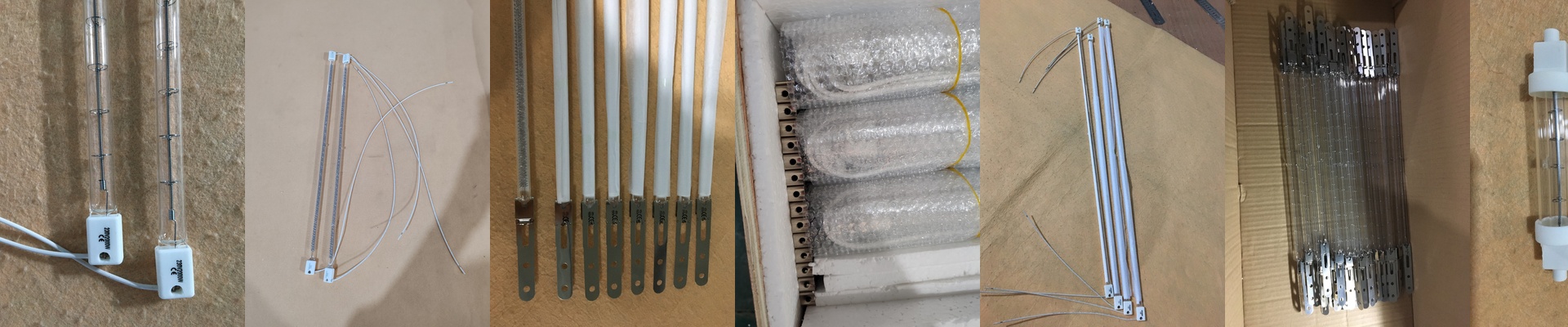
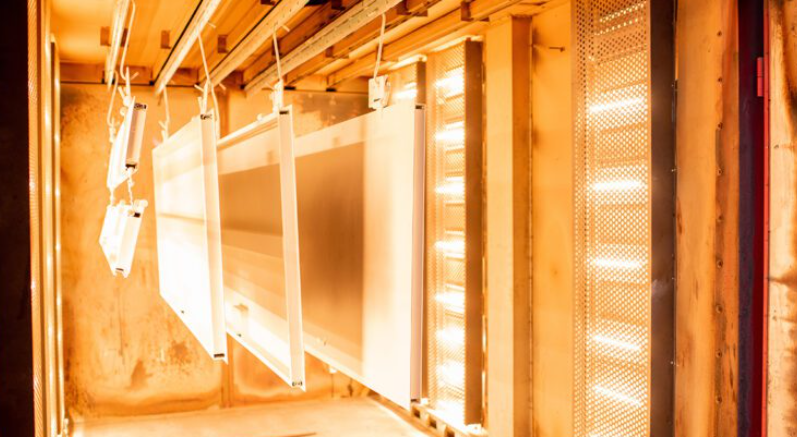
When your margins are razor-thin, every cent counts. The cost of your power bill and how fast your line moves are usually the two things that decide if you’re making money or just spinning your wheels. The problem is that most old-school convection ovens are basically giant heaters for the room. They waste a ton of energy warming up the air and the metal walls of the oven before the part even feels a thing. We do things differently. With high-efficiency infrared (IR) curing, we stop worrying about the air and go straight for the coating. It’s all about where the heat goes. Think of it like a microwave versus a toaster oven. IR sends out radiation that makes the molecules in your paint or powder vibrate. That creates heat right inside the material. When you move from convection to short-wave IR, your curing time drops from hours to minutes. It’s fast. Really fast. And that changes everything for your floor plan. Since you don’t need a massive tunnel to get the job done, you save a huge amount of space and stop bleeding heat through the chassis. The balancing act Now, you might think, “Why not just crank the power to the max?” Well, if you just blast the lamps without a plan, you’ll scorch your parts. You have to keep your conveyor speed and your power in total sync. Plus, those lamps pull a lot of juice when they first kick on, so your power supply needs to be ready for that initial surge. Here’s a tip: use PID controllers. They act like a thermostat that reacts in real-time to the temperature of the part. It keeps you from over-curing and keeps your electric bill from skyrocketing. The honest truth about maintenance I won’t tell you this is a “set it and forget it” system. It isn’t. Those lamps have a lifespan. They’ll dim over time, and if you aren’t on top of a replacement schedule, your quality will slip. Then there’s the issue of “cold spots.” If your parts have weird shapes or deep recesses, the IR rays might not hit every nook and cranny. You’ll need to spend some time upfront designing reflectors to bounce that heat into the tight spots. It’s a bit more engineering work at the start, but it’s a lot better than staring at a pile of scrapped parts.