Stop Overpaying for Your Curing Lamps
I see it all the time. Spray shops pouring money down the drain because they’re loyal to a big-name legacy brand. They think the logo on the lamp is what makes the paint cure. It isn’t. The truth is, switching to high-spec domestic infrared lamps can save you a fortune—sometimes millions across a full line. At the end of the day, your substrate doesn’t care about the brand name. It only cares about the wattage and the wavelength.
The heat factor
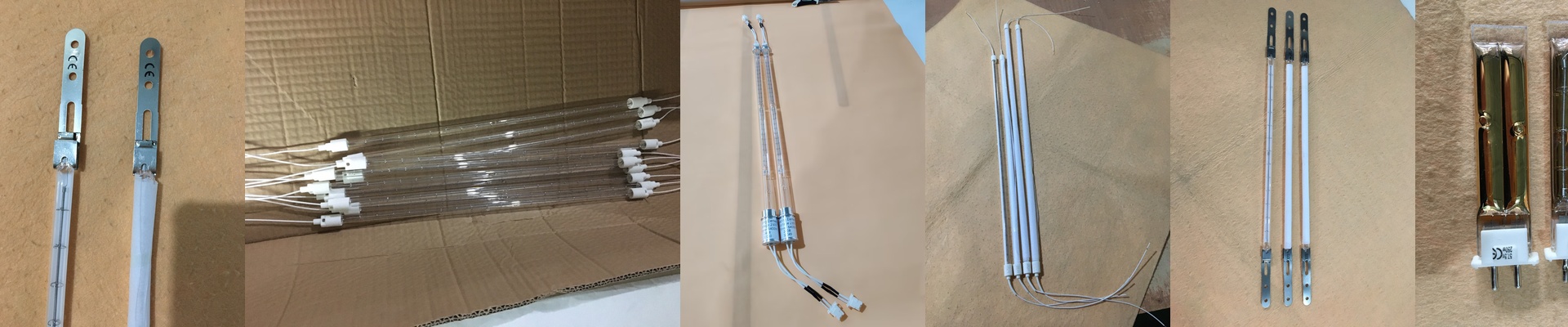
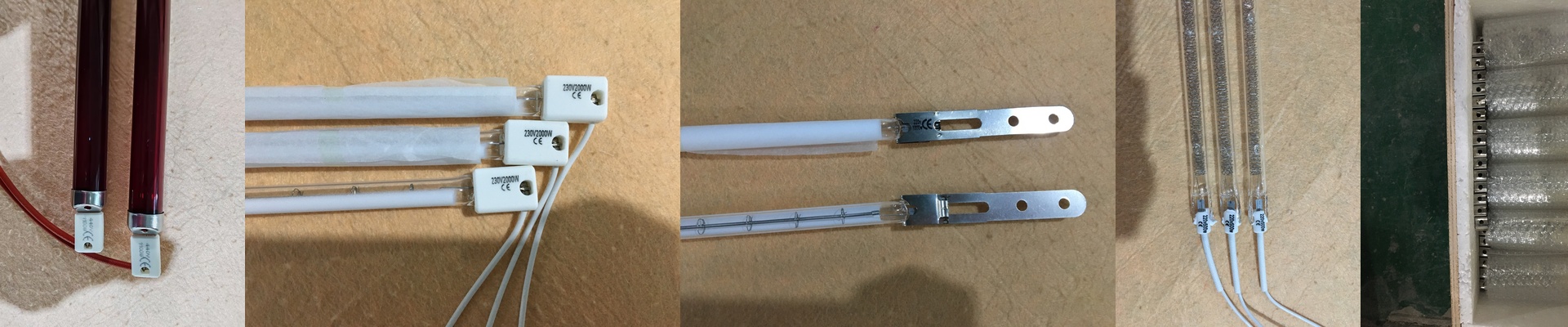
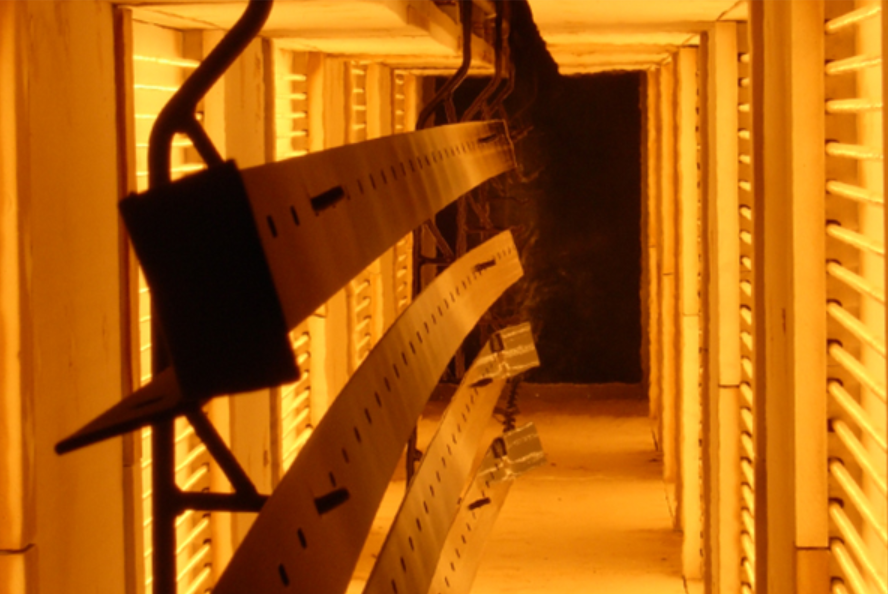
If you want things to cure fast, you need shortwave infrared (SWIR). These lamps shoot a tight, concentrated beam of energy that punches right through the coating. We usually look at the kW per linear meter to get the spec right. Now, a 2000W tube is great for a fast ramp-up, but you’ve got to be careful. If your wiring or power supply can’t handle that initial surge, you’re just asking for a burnout. It’s a quick way to turn an expensive lamp into a paperweight.
Quartz, coatings, and the “drop-in” fix
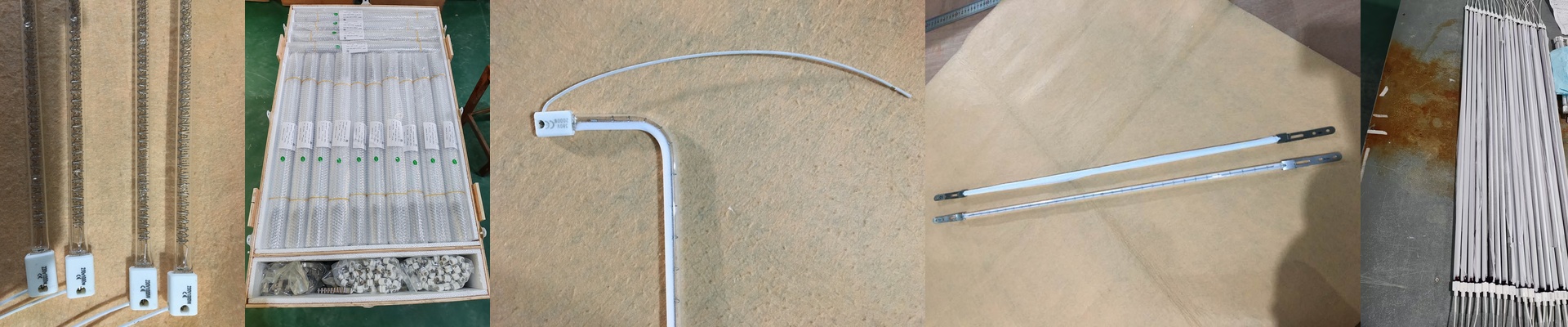
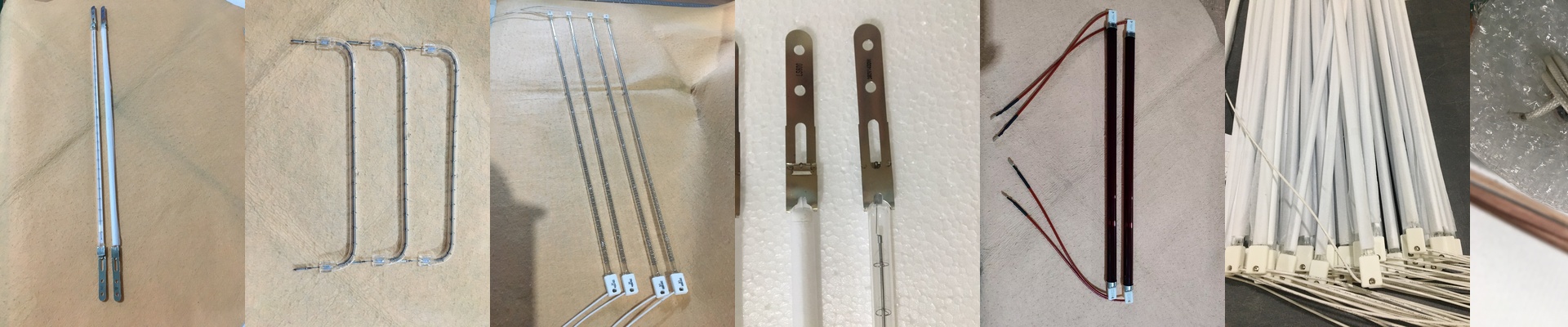
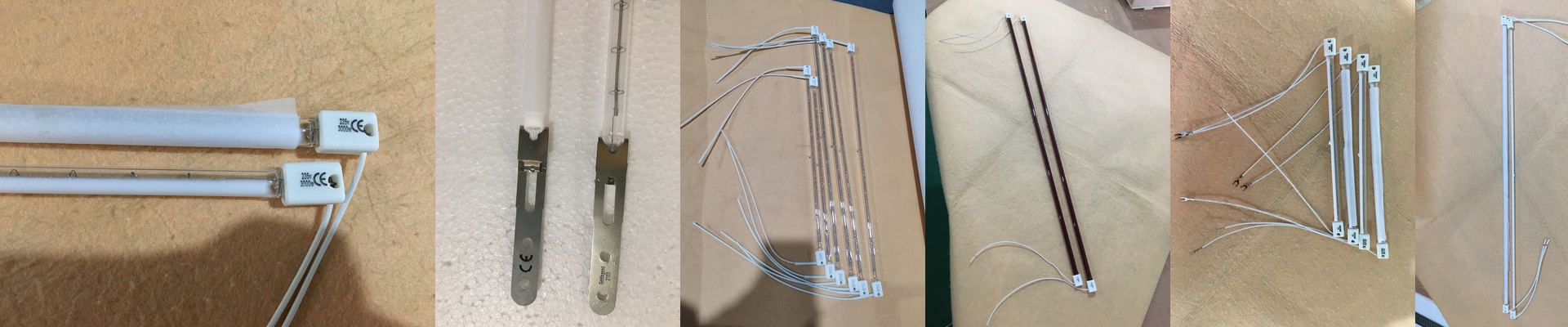
To keep these things from cracking under thermal shock, we use high-purity quartz glass. Depending on what you’re curing, we can add a selective coating to the tube. This is a neat trick—it shifts the emission spectrum so the heat actually hits the paint instead of just warming up the air in the room. And the best part? Whether you need R7s or Sk15 connectors, these are simple drop-in replacements. You don’t have to rip out your wiring or rebuild your oven just to stop overpaying for your bulbs.
Finding the sweet spot
More heat means a faster line. That sounds like a win, but there’s a catch. If you crank up the wattage without speeding up your conveyor, you’re going to scorch the top coat. It’s a balancing act between how hot the lamp is and how long the part stays under it. When you first make the switch, grab a pyrometer. Spend the first 48 hours obsessing over the surface temperature. Once you dial it in, you’ll stop wasting material and your lamps will actually last longer because they aren’t fighting an inefficient setup.