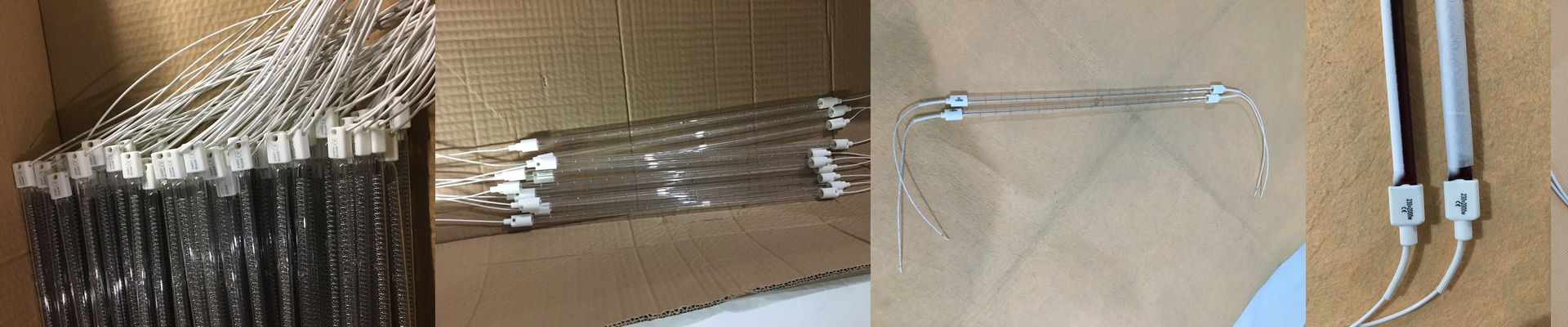
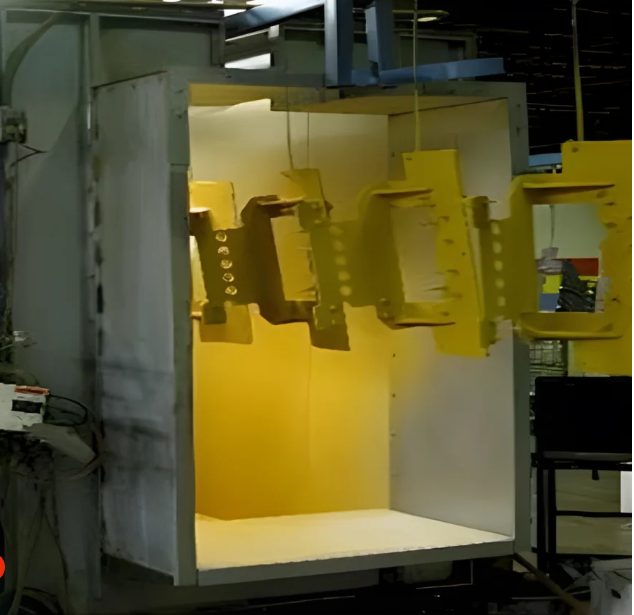
Every time a lamp burns out or a curing cycle goes sideways, your profits take a hit. It’s frustrating. You stop the line, swap the heater, recalibrate everything, and suddenly you’ve lost an hour of throughput. I see this all the time on high-volume lines. There are these “hidden costs” that just pile up because the operator is basically guessing when the curing window is right instead of actually knowing. Here is the real problem. Curing isn’t just about hitting a timer. It’s a balancing act between how much heat the lamp is putting out and how fast the belt is moving. Think about it: if your lamp starts to fade—maybe it’s 10% weaker because it’s getting old—but your belt keeps humming along at the same speed, your parts aren’t getting enough heat. Now you’re either scrapping a whole batch of product or slowing the line to a crawl. Neither is a great way to run a business. That’s why we built these recorders. We wanted to get rid of the guesswork. By logging the actual dwell time, you can see a lamp starting to fade before it actually dies. It’s like having a warning light. Instead of a panicked scramble when the line fails, you just schedule the maintenance for a planned shift. No more “stop-and-go” chaos. One heads-up, though. To get a clean signal, you need a clean environment. If your floor is packed with heavy motors or messy cabling, you’re going to get electrical noise in your data. It happens. Just make sure you use properly shielded cables, and your readings will stay spot on. Stop letting random downtime eat your margins. Track the time, watch the decay, and swap your lamps because the data tells you to—not because a calendar says so. It’s the simplest way to get your utilization rate back where it belongs.