Getting the Heat Right for MS JP7 Textile Systems
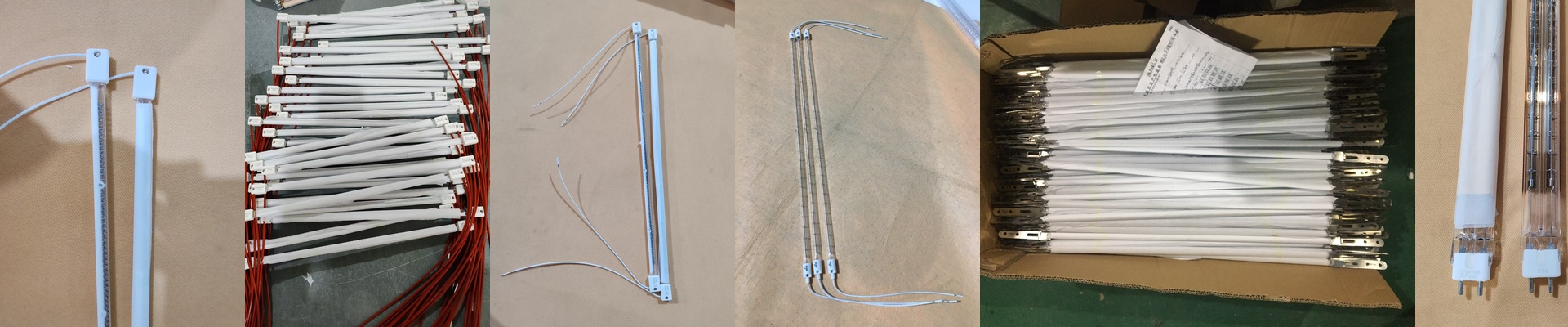
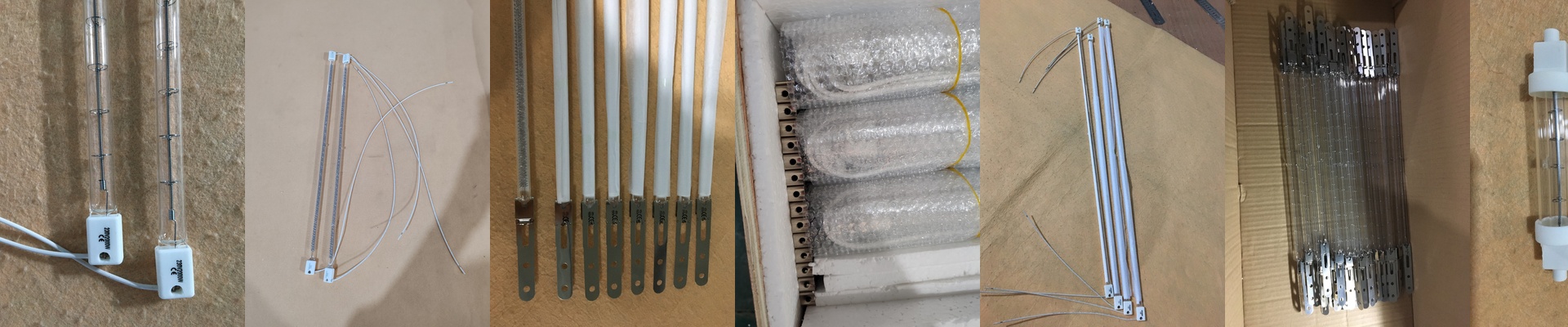
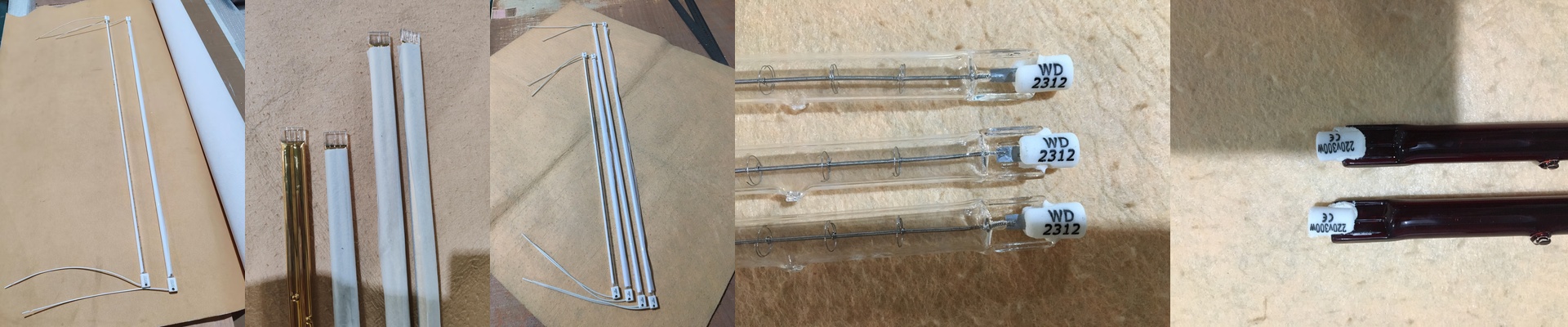
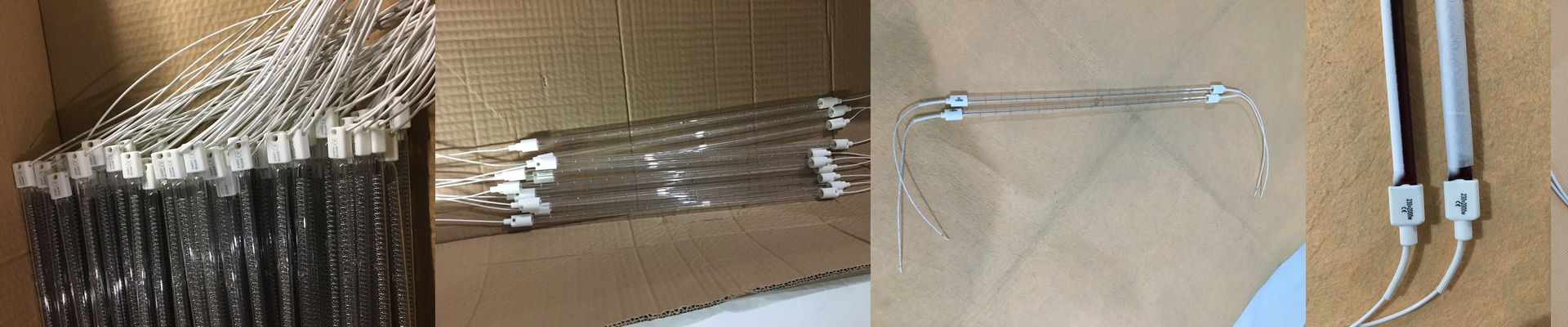
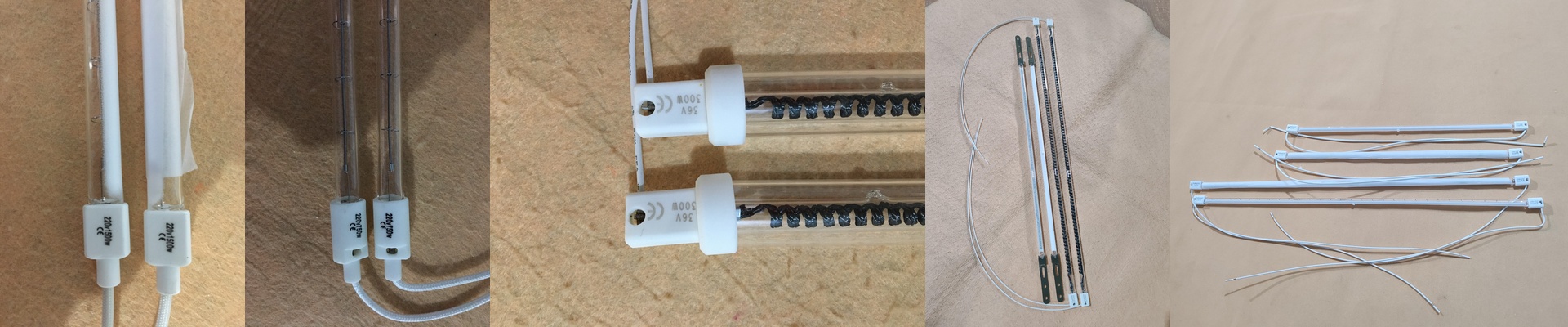
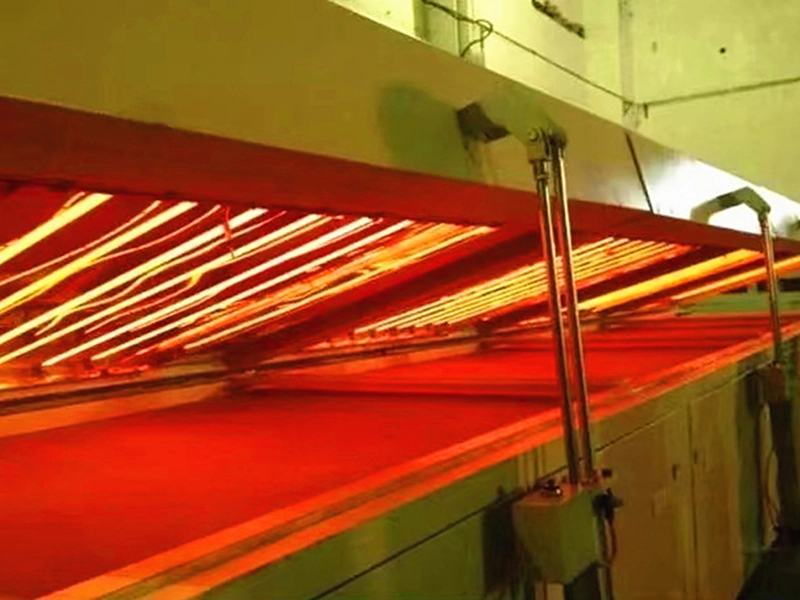
If you’re running an MS JP7, you know that keeping your fabric at a steady temperature is the whole game. That’s why we’ve put so much thought into the IR lamp setup. We built these to handle the kind of heavy-duty, high-speed work that modern textile curing actually demands. The balancing act: Power and Voltage Here’s the thing about heat: it’s all about balance. We use high-wattage shortwave emitters to hit those thermal targets, but we keep the voltage intervals tight. Why? Because if you aren’t precise, you’ll burn through your lamps way too fast. You’ve got to match your wattage to your line speed. If you crank up the power but keep the conveyor slow, you’re going to scorch your fabric. But if you under-spec the lamps? You’ll end up with patchy, uneven curing. To stop that from happening, we keep the ohms on a very short leash so every single lamp in the bank is pushing out the exact same amount of energy. Built to take a beating We don’t use thin glass. We use heavy-wall quartz because these lamps live in a brutal environment. They have to survive the constant, oppressive heat of the oven without cracking. We also weld the electrodes to stop oxidation from creeping in. When it comes to the connections, we kept it simple. We use standard industrial sockets. This means when it’s time for a swap, it’s a “drop-in” process. You won’t be stuck spending half your maintenance shutdown rewiring a rack. We also ditched the flimsy connectors—textile machines vibrate a lot, and those cheap parts just shake loose. Stopping failures before they happen The coolest part of the MS JP7 is how it keeps an eye on itself. We’ve added sensors that watch the current draw of every lamp in real-time. Instead of waiting for a lamp to pop and ruin a batch of fabric, the system flags a degrading filament while it’s still working. It turns a midnight emergency repair into a planned swap during your next break. Just a heads-up: these high-density arrays put out a massive amount of heat. Make sure your cooling fans and vents are up to the task. If they aren’t, your control electronics will overheat and trip the whole system.